

In a world filled with constant noise, stimulation, and pressure, many people are searching for ways to truly rest — not just sleep, but deep, nervous-system-level restoration. Float therapy offers exactly that.
Also known as sensory deprivation or floatation therapy, floating is a practice that allows both the body and mind to fully let go in a way that’s difficult to achieve anywhere else.
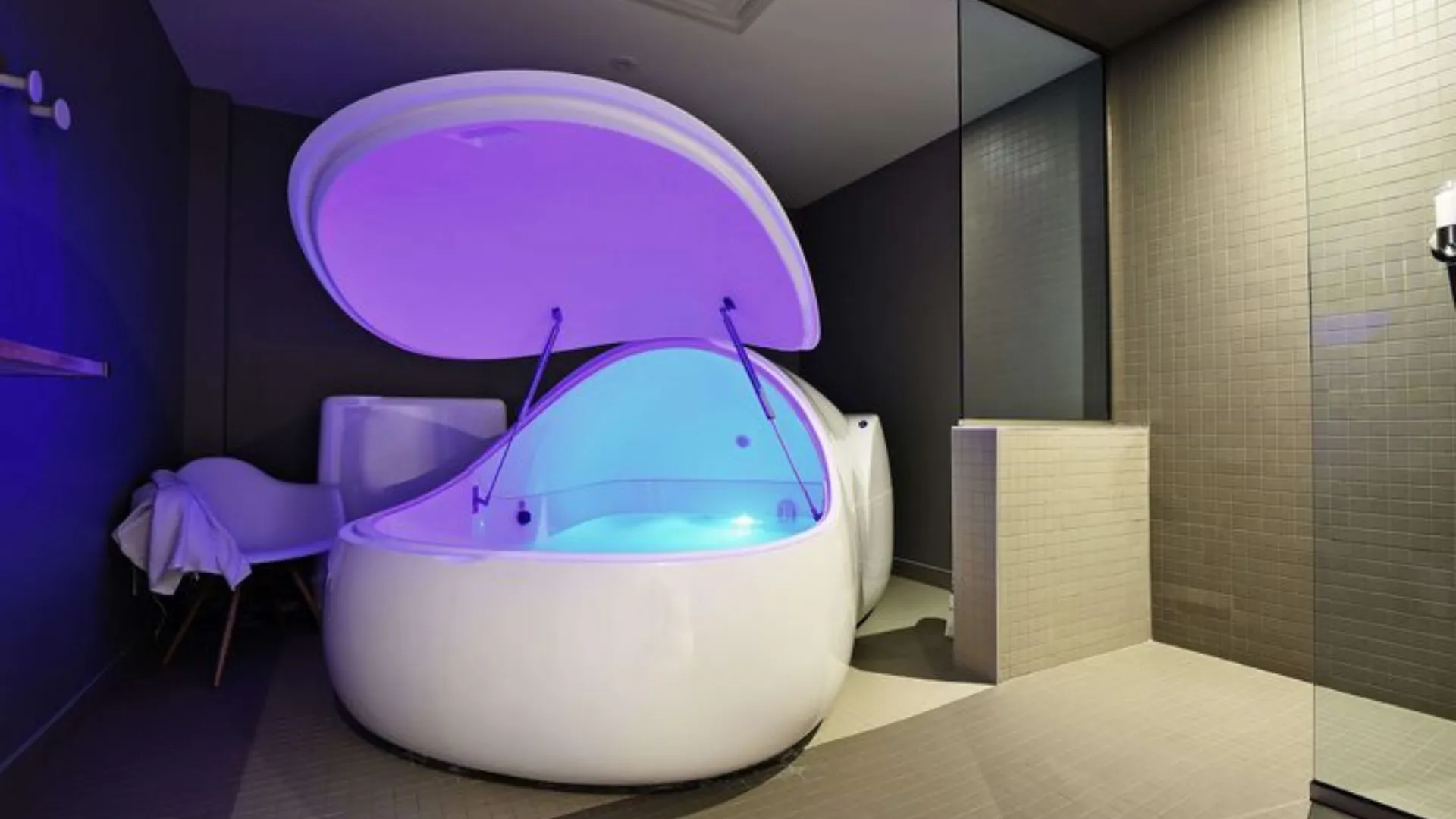
What Is a Float Tank?
A float tank is a private, enclosed space filled with warm water and a high concentration of Epsom salt (magnesium sulfate). The water is heated to skin temperature, allowing you to float effortlessly on the surface while minimizing sensory input such as light, sound, and gravity.
With nothing to do and nowhere to go, your body naturally enters a state of deep rest — often described as a meditative or dreamlike experience.
Why Should Someone Try Floating?
Most of us live in a constant “on” state. Even during rest, our nervous systems are still processing notifications, conversations, stress, and decision-making.
Float therapy offers:
-
A break from external stimulation
-
Relief from physical tension and gravity
-
A chance for the mind to slow down naturally
-
Space to reset, reflect, or simply rest
Many people try floating for stress relief, while others are drawn to its physical recovery benefits or its ability to support mental clarity and emotional balance.
Immediate Benefits of a Float Session
Even after just one float, people often notice:
Deep Relaxation
Floating activates the parasympathetic nervous system — the body’s “rest and digest” mode. This can result in profound calm, slowed breathing, and a sense of mental quiet.
Muscle Relief & Physical Ease
The magnesium-rich water supports muscle relaxation while the buoyancy removes pressure from joints and the spine. This makes floating especially beneficial for athletes, people with chronic tension, or those who sit for long periods.
Reduced Stress & Anxiety
With external distractions removed, cortisol (the stress hormone) levels often decrease, allowing the body to settle into a more balanced state.
Improved Sleep
Many people report better sleep the night following a float, as the body has already accessed a deeply restorative state.
Long-Term Benefits of Regular Floating
When float therapy is practiced consistently, the benefits can compound over time.
Nervous System Regulation
Regular floating can help retrain the nervous system to shift out of chronic stress more easily, supporting long-term emotional resilience and balance.
Chronic Pain & Tension Support
Ongoing relief from muscle tightness, joint discomfort, and physical strain is commonly reported with consistent use.
Enhanced Mental Clarity & Focus
By giving the brain regular breaks from stimulation, floating may improve concentration, creativity, and decision-making.
Emotional Well-Being
Many people find floating helps them process emotions, reconnect with themselves, and feel more grounded in daily life.
Magnesium Absorption
Magnesium plays a role in hundreds of bodily functions, including muscle relaxation, sleep regulation, and stress response. Floating offers a unique way to support healthy magnesium levels.
A Gentle Invitation to Rest
Float therapy isn’t about achieving anything or “doing it right.” It’s about creating space — space to breathe, to soften, and to allow your body to reset naturally.
Whether you try one session or make it a regular part of your self-care routine, floating offers a rare opportunity to unplug from the outside world and reconnect within.

Leave A Comment